
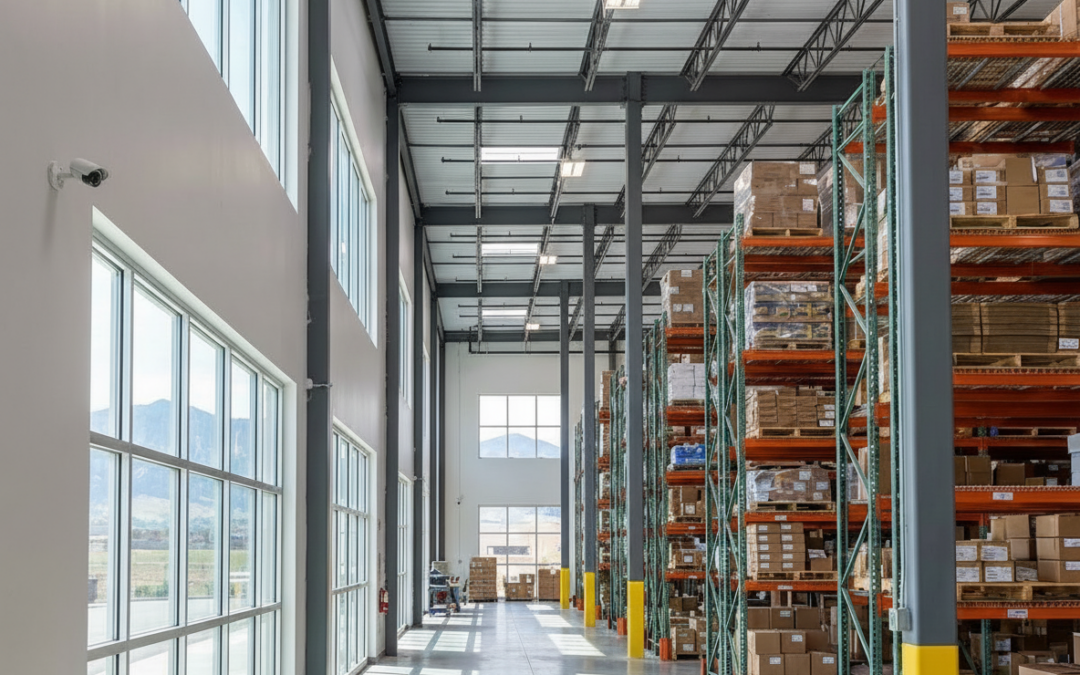
Warehouse security in Denver is more than just a checklist item—it’s a strategic necessity. As you navigate the challenges of protecting assets, ensuring employee safety, and maintaining operational efficiency, the placement of your security cameras becomes a critical factor. In this article, we’ll guide you through the best practices for warehouse security camera placement, tailored specifically for the Denver area. We’ll cover why thoughtful placement matters, how to assess your unique facility, and the steps you can take to maximize your investment in warehouse security Denver businesses can trust.
Why Camera Placement Matters for Warehouse Security in Denver
Due to severe weather and expanding urbanization, Denver’s warehouses are particularly vulnerable to security threats. Proactive risk management is just as important to effective camera placement as coverage. Inadequate camera placement might result in blind spots, lessen deterrence, and make incident investigations more difficult. On the other hand, a well-designed camera layout acts as a powerful deterrent, helps resolve disputes, and ensures regulatory compliance.
Assessing Your Warehouse: The First Step in Security Planning
Each Denver warehouse has a unique set of vulnerabilities. Begin with a thorough security analysis:
- Identify high-value assets and sensitive areas: Loading docks, inventory storage, and equipment rooms typically require extra attention.
- Map entry and exit points: These are prime targets for unauthorized access and theft.
- Review past incidents: Recent break-ins, accidents, or even near-misses can highlight weak spots in your current setup.
- Consult with staff: Employees often notice risks that management might overlook.
This evaluation serves as the basis for a security strategy that genuinely takes into account Denver’s specific warehouse security requirements.
Strategic Camera Placement: Where to Focus
1. Entrances and Exits
Every entry and exit point should have a dedicated camera. This includes not only main doors but also loading docks, emergency exits, and delivery bays. Position cameras to capture clear facial images and license plates. In Denver’s variable lighting conditions, opt for cameras with wide dynamic range (WDR) to handle bright sunlight and deep shadows.
2. Perimeter and Fencing
Securing the perimeter is your first line of defense. Place cameras at regular intervals along the exterior fence or property line. Corners and gates are especially vulnerable. Consider using pan-tilt-zoom (PTZ) cameras for broad coverage and the flexibility to track suspicious activity.
3. Interior Aisles and Storage Areas
Inside the warehouse, focus on aisles with high-value inventory and areas with limited visibility. Overhead cameras can monitor large spaces efficiently. Use fixed cameras for narrow aisles and PTZ cameras for wide-open storage zones. Remember, the goal is to eliminate blind spots while respecting employee privacy.
4. Loading Docks and Shipping/Receiving Areas
These zones are busy and often chaotic, making them attractive targets for theft and fraud. Place cameras to monitor the loading and unloading of goods, ensuring you capture faces and vehicle details. In Denver’s winter months, choose weather-resistant models that can withstand snow and ice.
5. Administrative Offices and Cash Handling Areas
While most of your focus will be on inventory, don’t neglect offices or areas where cash is handled. Discreet, high-resolution cameras can protect sensitive information and deter internal theft.
Technical Considerations for Denver Warehouses
Denver’s climate and urban environment require cameras that can perform in all conditions. Here’s what to look for:
- Weatherproofing: Choose cameras rated for snow, rain, and temperature extremes.
- Night Vision: Infrared or low-light cameras are essential for 24/7 monitoring.
- Remote Access: Opt for IP cameras that allow you to monitor your warehouse from anywhere, at any time.
- Data Storage: Ensure you have enough storage for high-resolution footage, especially if you need to keep records for compliance or insurance purposes.
Legal and Privacy Considerations
Warehouse security in Denver must comply with state and local privacy laws. Avoid placing cameras in private areas like restrooms or break rooms. Post clear signage to inform employees and visitors about video surveillance. Regularly review your policies to stay compliant with evolving regulations.
Maximizing Your Investment: Ongoing Maintenance and Upgrades
A security system is only as strong as its weakest link. Schedule regular maintenance to clean lenses, check connections, and update software. As your warehouse grows or changes, revisit your camera layout. New inventory, expanded floor plans, or changes in operations may require additional cameras or repositioning.
Partnering with a Local Security Expert
Warehouse security in Denver isn’t a one-size-fits-all solution. Partnering with a local security provider ensures you benefit from regional expertise, quick response times, and solutions tailored to Denver’s unique environment. Look for a partner who offers comprehensive assessments, professional installation, and ongoing support.
Investing in strategically placed warehouse security cameras is essential for Denver businesses looking to protect assets, people, and their reputations. By following these best practices, you’ll create a safer, more efficient operation and gain peace of mind knowing your facility is secure.
For more insights or to schedule a security assessment, reach out to a trusted local provider specializing in warehouse security that Denver companies rely on. Your proactive approach today will pay dividends in safety and operational confidence tomorrow.